
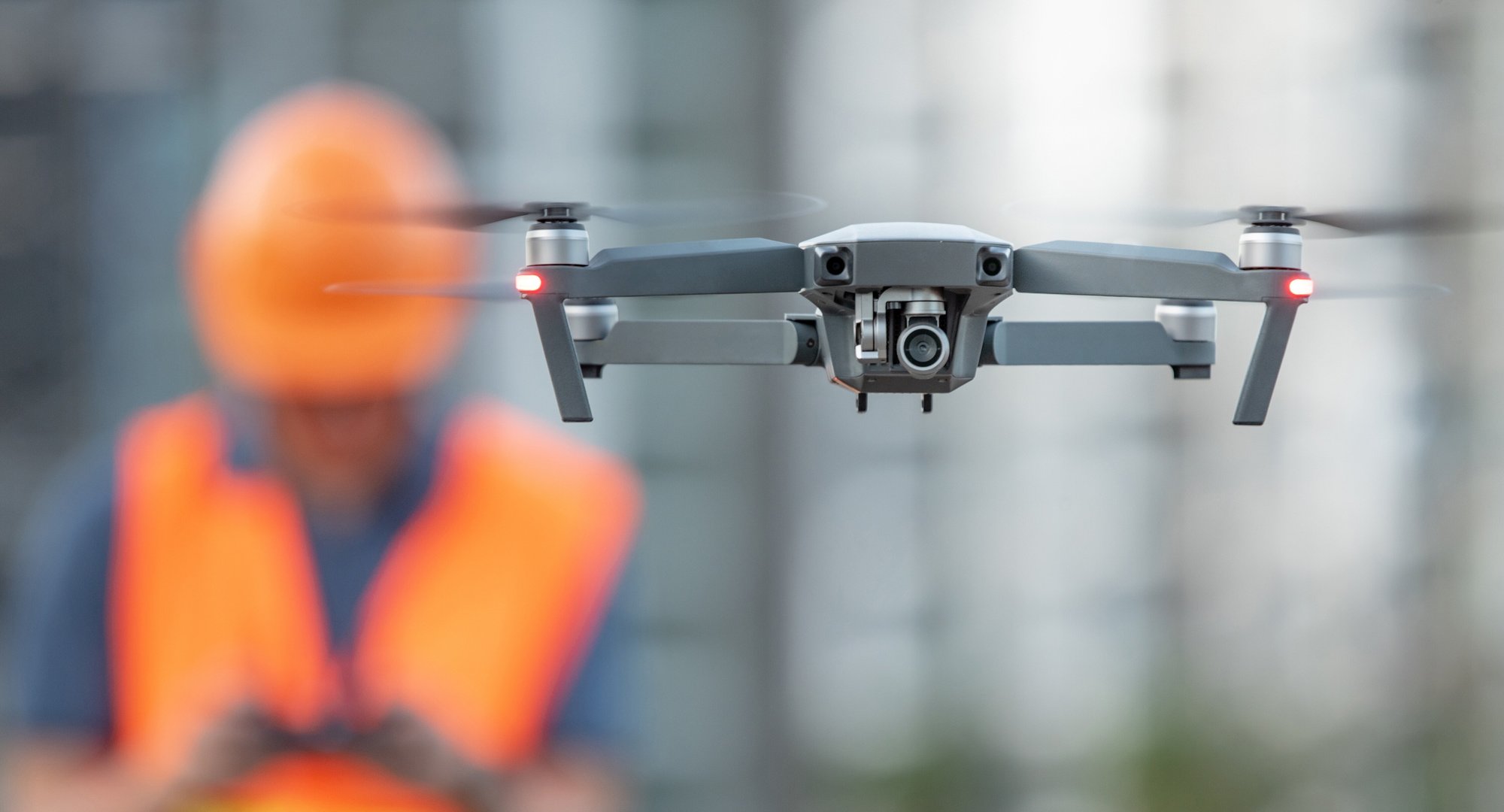
The Unmanned Aircraft Systems Industry is entering a defining phase. As drone operations scale across public safety, infrastructure, energy, and enterprise sectors, the gap between hobby-level flying and professional aviation continues to widen. In 2026, standardized UAS training is no longer optional. It is essential for safety, regulatory readiness, workforce development, and long-term industry growth.
While drone technology has advanced rapidly, training standards have struggled to keep pace. Organizations that invest in standardized, industry-aligned training will be the ones best positioned to operate safely, earn trust, and scale efficiently in the years ahead.
The UAS Industry Is Maturing Fast
Drones are no longer experimental tools. They are operational assets supporting real-world missions such as infrastructure inspections, disaster response, mapping, and data collection. With this shift comes increased scrutiny from regulators, employers, and the public.
As operations become more complex, especially with beyond visual line of sight flights and higher levels of autonomy, the industry must align more closely with traditional aviation practices. This includes consistent training, safety management systems, and standardized operational procedures.
Without standardization, organizations face fragmented skill sets, inconsistent safety practices, and difficulty scaling programs beyond small teams or pilot projects.
Why Part 107 Alone Is Not Enough
The FAA Part 107 certification remains an important baseline, but it was never designed to fully prepare operators for enterprise or advanced UAS operations. Part 107 focuses primarily on regulatory knowledge and basic flight rules. It does not address operational readiness, safety management, mission planning, or real-world decision making at scale.
In 2026, employers are looking beyond certification. They want pilots, maintainers, and operations teams who understand standardized procedures, risk management, compliance frameworks, and how drones fit into the broader aviation ecosystem.
The Role of Standards in Aviation Safety and Trust
Aviation has always relied on standards to operate safely. From pilot training to maintenance procedures, standardization is what allows different aircraft, operators, and organizations to share airspace safely and efficiently.
The same principle applies to unmanned aviation.
Standardized UAS training helps ensure that operators follow consistent safety practices regardless of location, platform, or mission type. It builds confidence among regulators, reduces risk for organizations, and increases public trust in drone operations.
As drones increasingly operate alongside crewed aircraft and future air mobility platforms, alignment with aviation standards becomes even more critical.
Workforce Readiness Depends on Standardized Training
The UAS workforce is expanding rapidly, but employers continue to report challenges finding job-ready talent. Many candidates have flight experience but lack exposure to operational planning, compliance, maintenance awareness, and safety systems.
Standardized training programs provide a clear framework for what job-ready actually means. They help ensure that graduates enter the workforce with consistent skills, expectations, and professional habits.
This benefits both individuals and employers by reducing onboarding time, minimizing operational risk, and creating clearer career pathways within the industry.
Supporting Advanced Operations and Future Regulations
The future of UAS operations includes more advanced missions, including BVLOS, autonomous systems, and expanded integration into national airspace. These operations require more than technical skill. They demand structured training, documented procedures, and a strong safety culture.
As new regulations emerge, including frameworks like Part 108, organizations with standardized training programs will be better prepared to adapt. They will already have the systems, documentation, and workforce readiness required to meet evolving requirements.
Standardization allows innovation and safety to move forward together, rather than in opposition.
Why 2026 Is a Turning Point
By 2026, the UAS industry will be defined less by novelty and more by professionalism. Organizations that rely on ad hoc training or minimal certification will struggle to scale, secure approvals, and compete in enterprise environments.
Standardized UAS training represents a commitment to safety, credibility, and long-term success. It signals to regulators, partners, and customers that an organization is prepared to operate responsibly and reliably.
As drones become a permanent part of global aviation, training standards will determine who leads the industry forward and who is left behind.
Final Thoughts
Standardized UAS training is not about slowing innovation. It is about enabling it safely and sustainably. In 2026, the organizations and professionals who invest in structured, industry-aligned training will be the ones shaping the future of unmanned aviation.
The path forward is clear. Standards create consistency. Consistency builds trust. And trust is what allows the UAS industry to scale.
Want to learn more about standardized UAS training and career ready programs?


.png?width=352&name=Amazon%20Selects%20USI%20as%20Educational%20Partner%20for%20Career%20Choice%20program%20(1).png)