
.png?width=1366&height=768&name=Tradeshows%20(19).png "Tradeshows (19)")
A strong drone program does two things at once. It gets students excited, and it builds real skills they can use after graduation. The challenge is making sure those two pieces actually connect. If you want a program that leads somewhere, you need a clear pathway. Not just activities, but progression.
Start with a 4-year scaffold. Think of your program as a journey, not a single class. The most effective approach follows a clear progression:
Engage → Explore → Train → Deploy
Engage: get them in the door
This is where interest starts. Keep it low pressure and fun.
Think:
-
Clubs and after school programs
-
Flight demos and basic skills
-
Drone racing or short challenges
-
Quick win projects that build confidence
The goal here is recruitment and retention. You want students to think, “this is something I want to keep doing.”
Explore: show what’s possible
Once students are interested, help them see how drones are actually used.
Introduce:
-
Mapping missions
-
Inspection scenarios
-
Public safety use cases
-
Creative applications like media or storytelling
These “taster” experiences help students connect drones to real careers. It shifts their mindset from hobby to opportunity.
Train: build real skills
This is where structure matters most.
A strong training phase includes:
- Standards based curriculum
- Clearly defined competencies
- Hands on assessments, not just theory
- Opportunities to earn credentials
Students should know exactly what they’re working toward and how they’re progressing. This is what turns interest into ability.
Deploy: make it real
The final stage is about applying everything in a real-world context.
This can look like:
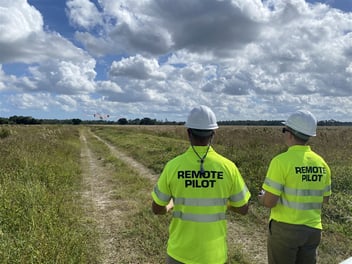
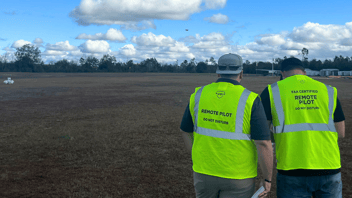
- Supervised flight operations
- Internships or partnerships with local organizations
- Capstone projects with real deliverables
This is where students prove what they can do. It also gives them something tangible to show colleges or employers.
Make capstones and partnerships count
One of the biggest opportunities in a drone program is the capstone experience.
To make it meaningful:
- Partner with industry, public safety, or local businesses
- Focus on real problems, not just simulations
- Require deliverables like maps, reports, or inspections
When partners are involved, the work feels real. It also helps ensure your program stays aligned with industry needs.
Stay aligned with industry
The drone industry is evolving quickly, especially with the shift toward more advanced operations.
Your program should reflect that by:
- Teaching safe and compliant operations
- Introducing mission planning and risk awareness
- Preparing students for certifications and real roles
This is what makes your program not just engaging, but relevant.
The bottom line
A high impact drone program doesn’t happen by accident. It’s built with intention.
When you create a clear pathway from Engage to Deploy, support it with real world experiences, and align it with industry expectations, you give students more than just exposure. You give them a future they can step into.
.png?width=352&name=Mx%20Manager%20%26%20Instructor%20Role%20(1).png)