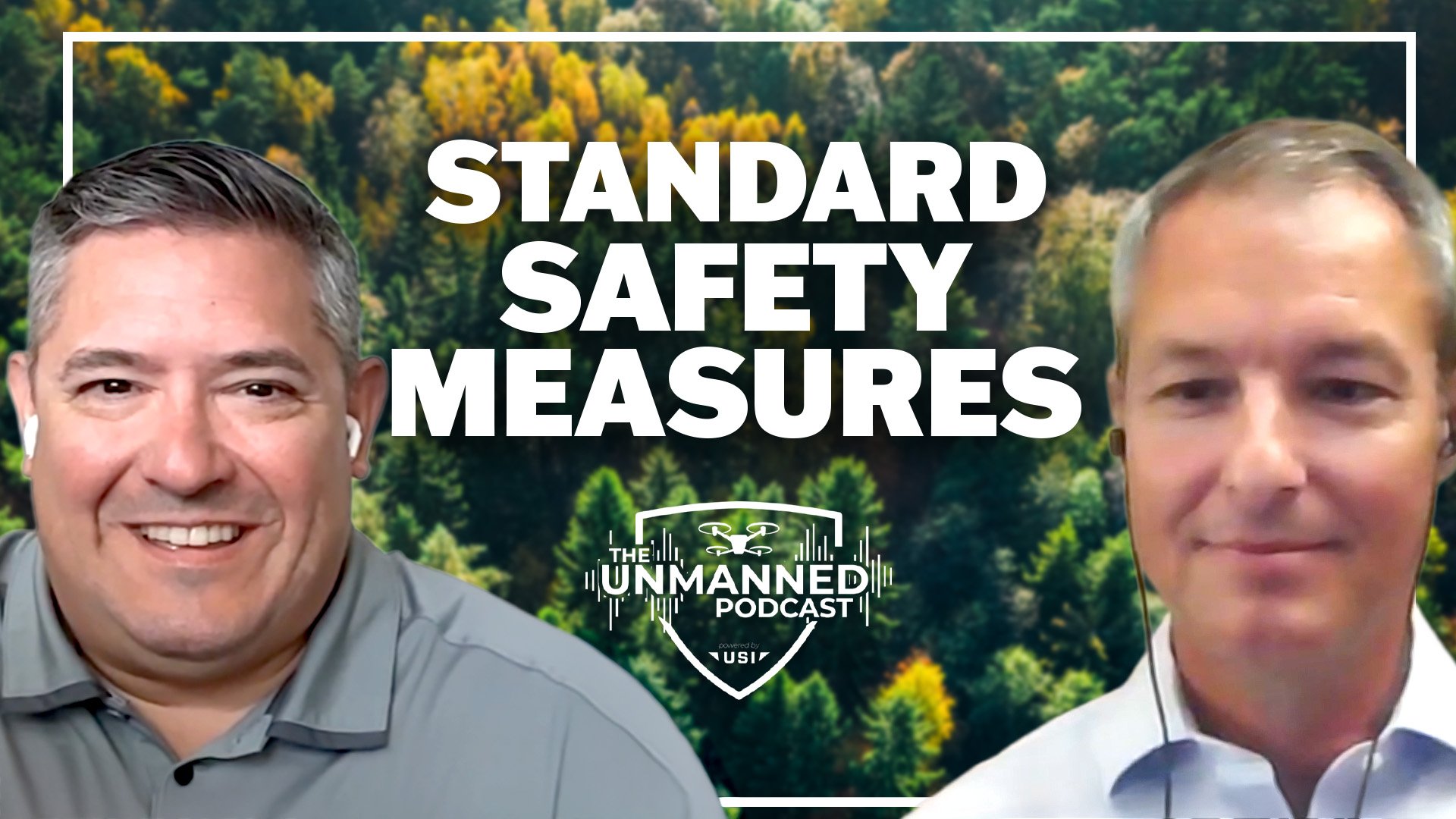
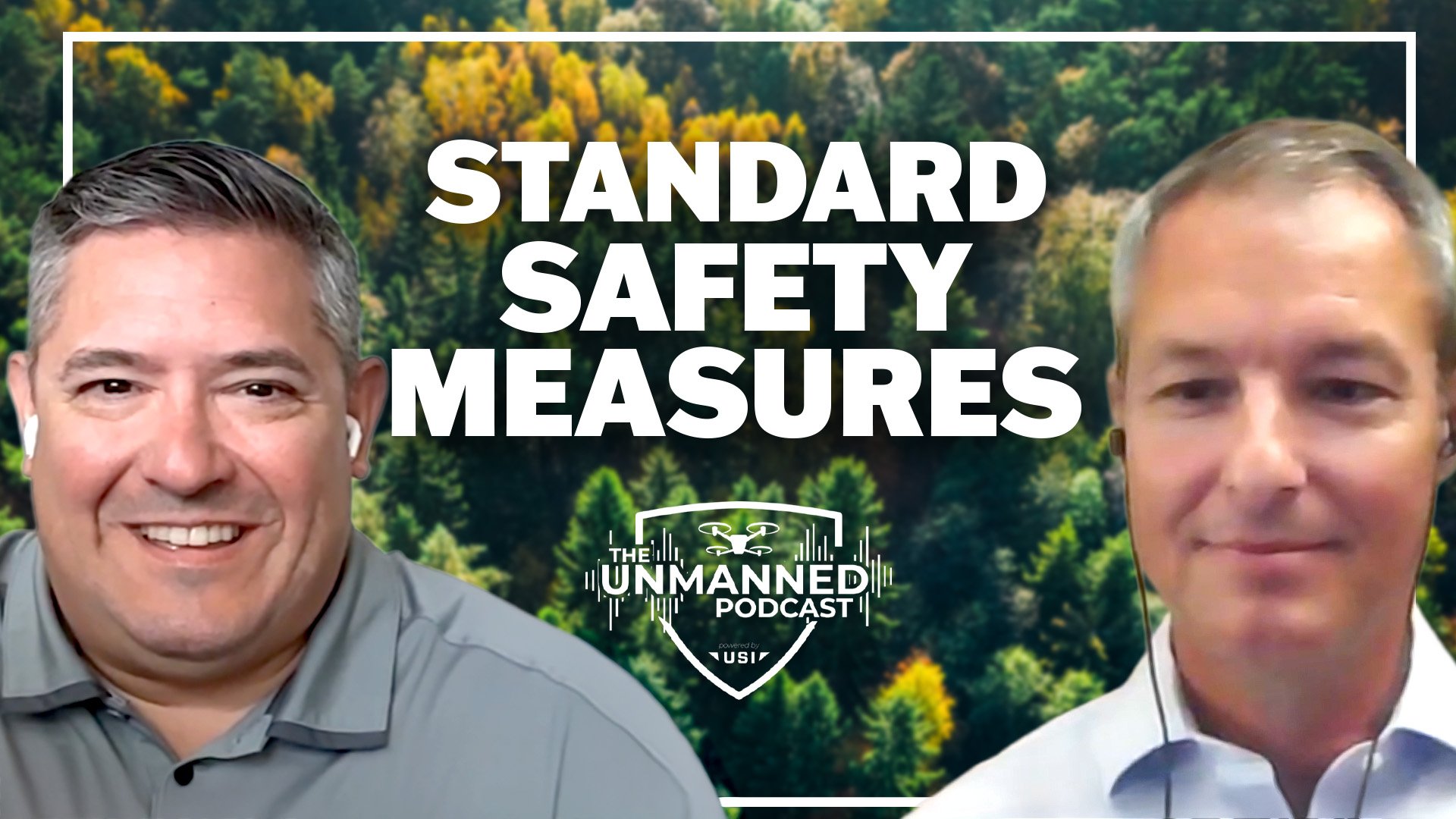
In Episode 5 of the Unmanned Podcast, USI’s Matt Hernandez sits down with Andrew Karas of IBAC to discuss the role of aviation standards, safety management systems, the crossover between manned and unmanned aviation, and why global standards like IS-BAO are critical to building trust, efficiency, and scalability in the drone industry.
Q1: Why do standards matter, especially in emerging industries like drones?
Andrew:
Standards exist to improve safety and build public trust in any industry. In aviation, and especially in the fast growing drone sector, standards help ensure safe operations while allowing different aircraft to share the same airspace. As drones operate alongside helicopters, fixed wing aircraft, and future air mobility platforms, aligned standards are essential for interoperability, efficiency, and public confidence.
Q2: What is IS-BAO, and how does it apply to drone operators?
Andrew:
IS-BAO, the International Standard for Business Aircraft Operations, is a globally recognized aviation standard developed by IBAC and recognized by ICAO. While it began in business aviation, it was designed to apply across aircraft types. Drone operators can use the same safety management and operational principles, tailored to their mission and size, to align with global aviation standards.
Q3: How does a performance based standard benefit drone organizations?
Andrew:
IS-BAO is performance based, not prescriptive. We define the standard, but organizations decide how to meet it. This approach allows everyone, from a single drone operator to a large enterprise fleet, to build a safety management system that fits their operation while still meeting global expectations for safe, professional performance.
Q4: How should drone operators approach emerging technologies like AI and autonomy?
Andrew:
The key is change management. Instead of focusing only on the technology, organizations need to consider how it affects training, procedures, risk, and communication. These principles have been used in aviation for decades. Even when technology moves faster than regulation, a structured approach helps ensure safety keeps pace with innovation.
Q5: What advice do you have for people entering the drone industry today?
Andrew:
Workforce development is what will drive this industry forward. My advice is to choose a training provider that goes beyond basic certification. Don’t limit yourself to just flying drones. There are opportunities in operations, safety, maintenance, software, and compliance. Programs like USI’s training pathways help create a workforce ready foundation that prepares individuals to succeed from day one.
Why This Matters
As drones become more integrated into the global aviation ecosystem, standards and structured training are no longer optional—they’re essential. Organizations and individuals that invest early in safety, compliance, and workforce readiness will be best positioned to scale, earn trust, and succeed in the future of aviation.
Want more insights from industry experts?
Subscribe to The Unmanned Podcast and never miss an episode where we break down the latest in drone technology, regulations, and commercial operations.
Click Below to Watch the Full Episode