
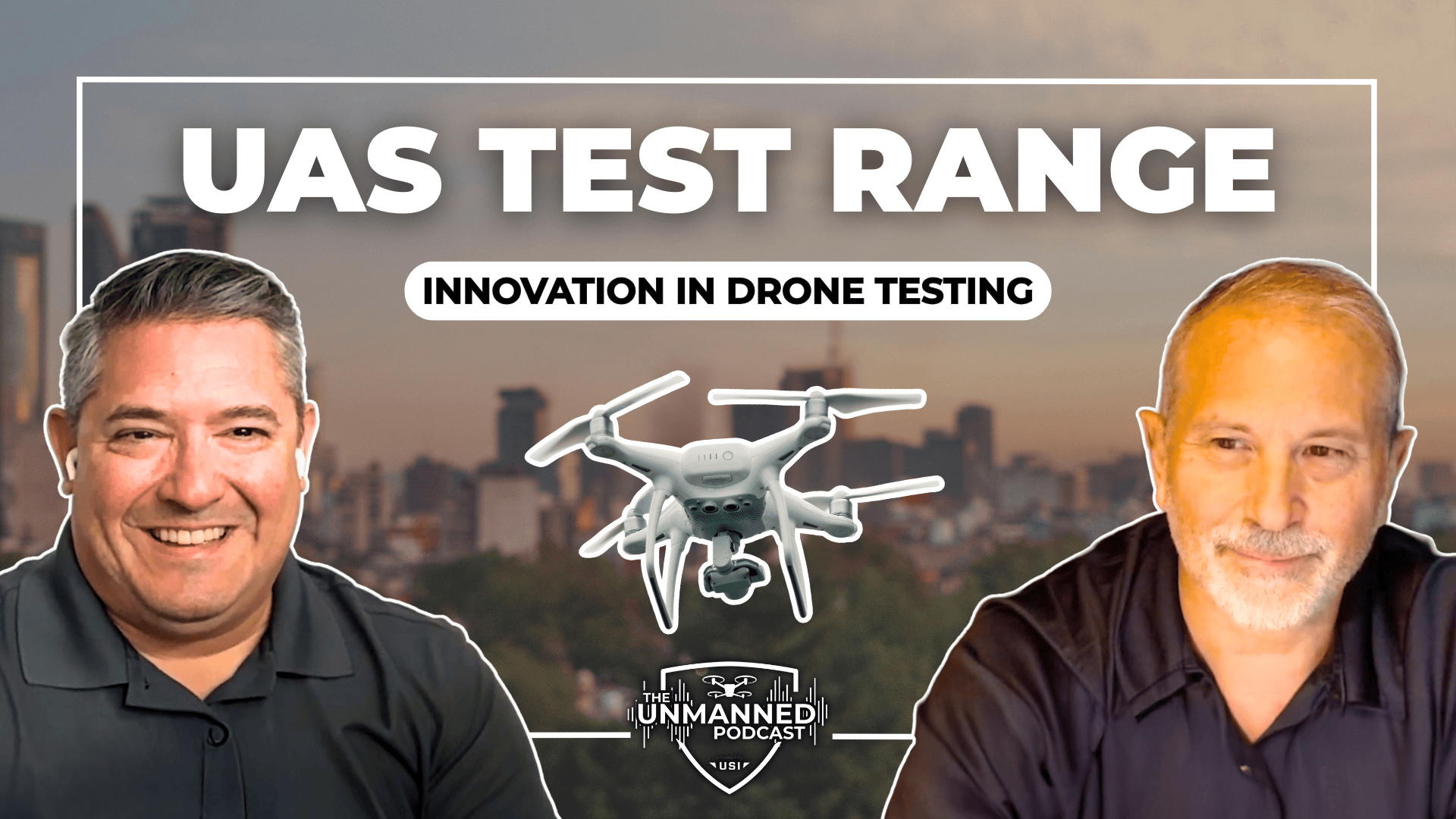
In Episode 12 of The Unmanned Podcast, host Matt Hernandez sits down with Ray Adams of the Cape Atlantic UAS Test Range in Cape May, New Jersey. They discuss how drone test ranges support real world development, manage safety in integrated airspace, and what Part 108 means for large UAS and scalable operations.
Q1: Can you share a little about your aviation background and how you got into the drone industry?
Ray: I actually started in the Navy and ended up in air traffic control almost by accident. That turned into a 30 plus year career working in places like New York Center and Newark Tower. After retiring, I got involved in UAS because I wanted to help bring real operational experience into the integration conversation.
Q2: What are UAS test ranges and why do they matter?
Ray: Test ranges were created to help the FAA figure out how to safely integrate drones into the national airspace. They allow operators to test things that you normally could not do without special approval. It gives the industry a place to learn, test, and improve before scaling operations.Q3: What makes the Cape Atlantic UAS Test Range unique?
Ray: We are located in Cape May, New Jersey, surrounded by water and right between major cities like New York and DC. Even though we are in a busy corridor, we sit in a natural gap in traffic which makes testing possible. We also operate in real airspace, not a sterile environment, so integration is part of every operation.
Q4: How do you manage safety during testing?
Ray: We look at both ground risk and air risk every time we fly. Between my air traffic background and Ron’s experience as a helicopter pilot, we apply real world aviation principles to every operation. If traffic or conditions increase risk too much, we simply wait it out.
Q5: What are your thoughts on Part 108 and large drone integration?
Ray: I think it is a step in the right direction, but there are still gaps that need to be addressed. Relying too heavily on one system like ADS B concerns me because in traditional air traffic control we always cross check data. If we want to scale safely, we need multiple layers of verification.
Q6: How can companies or new entrants connect with Cape May if they want to test there?
Ray: Right now a lot of our work comes through word of mouth and relationships we have built over time. Companies can reach out through our company Air to Elevated Thinking or connect with me directly on LinkedIn. We are always open to conversations, especially with operators looking for a realistic integrated test environment.
Want more insights from industry experts?
Subscribe to The Unmanned Podcast and never miss an episode where we break down the latest in drone technology, regulations, and commercial operations.
Click Below to Watch the Full Episode
.png?width=711&height=400&name=Podcast%20Thumbnails%20%20(9).png "Podcast Thumbnails (9)")
.png?width=352&name=Tradeshows%20(11).png)
.png?width=352&name=Tradeshows%20(17).png)
-1.png?width=352&name=Tradeshows%20(8)-1.png)