

sUAS Safety Level 1™ Certification
The USI Safety Level 1 (SL1) Certification is an industry-developed credential that validates foundational knowledge of the principles, systems, and technologies that power modern Remotely Piloted Aircraft Systems (RPAS). The certification introduces learners to aircraft systems, autonomous vehicles, robotics, communications systems, data links, ground control stations, sensors, payloads, and remote sensing technologies used across today’s emerging technology workforce.
Designed for secondary, postsecondary, workforce, and industry learners, the SL1 certification develops the technical literacy and systems-thinking competencies necessary to pursue advanced training and careers in aviation technology, robotics, mechatronics, geospatial technologies, precision agriculture, infrastructure inspection, environmental monitoring, and public safety operations.
Validated Knowledge for Emerging Technology Careers
The Safety Level 1 Certification validates foundational technical knowledge required to understand, support, and advance into workforce pathways involving remotely piloted aircraft systems and related unmanned, robotic, automated, geospatial, and remote sensing technologies.
The credential prepares learners to:
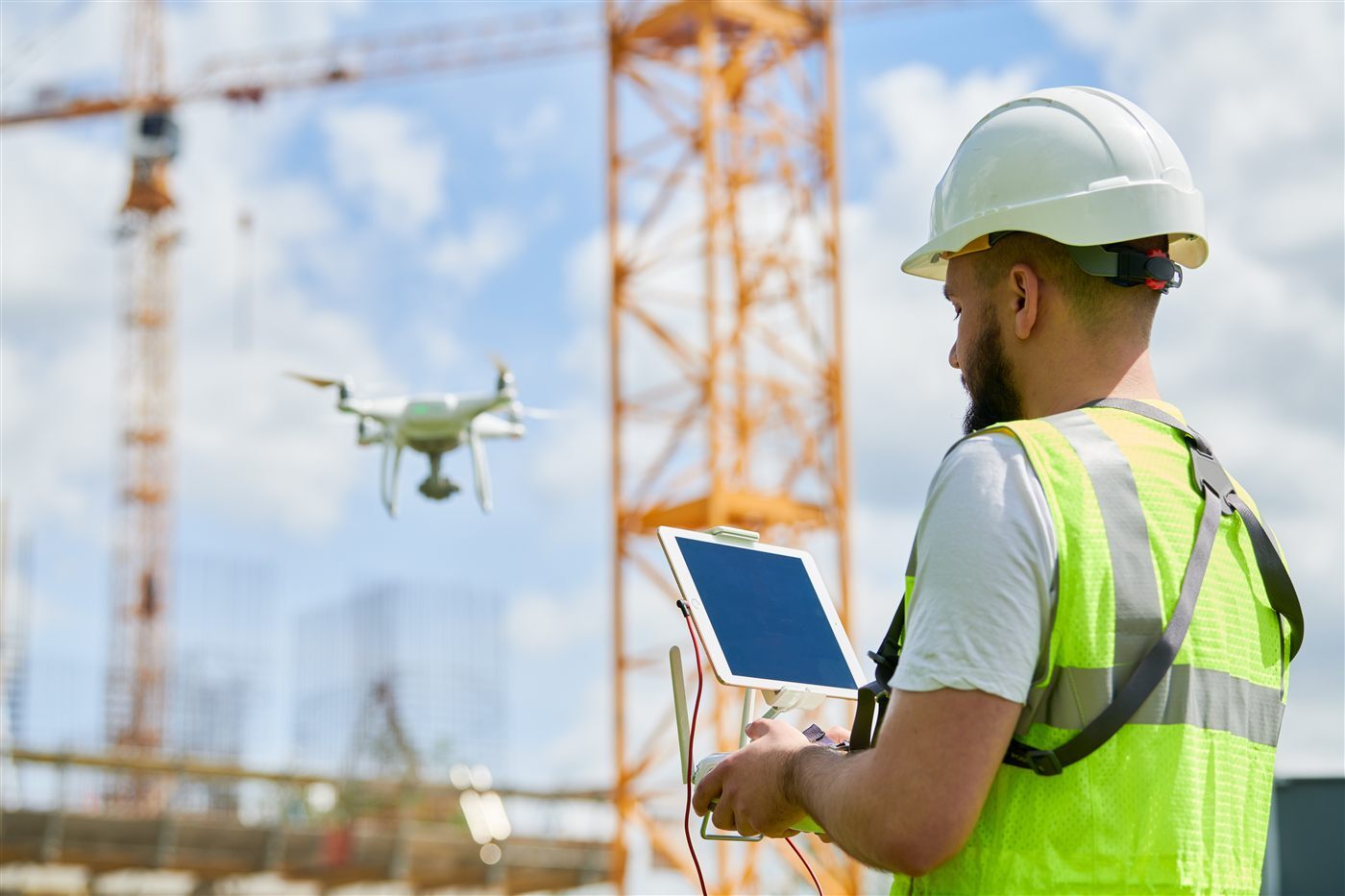
Technology That Powers Industries Everywhere
Remotely Piloted Aircraft Systems (RPAS) and related autonomous technologies are increasingly deployed across a broad range of industries. The Safety Level 1 Certification introduces learners to the technical concepts and systems that underpin these emerging applications.
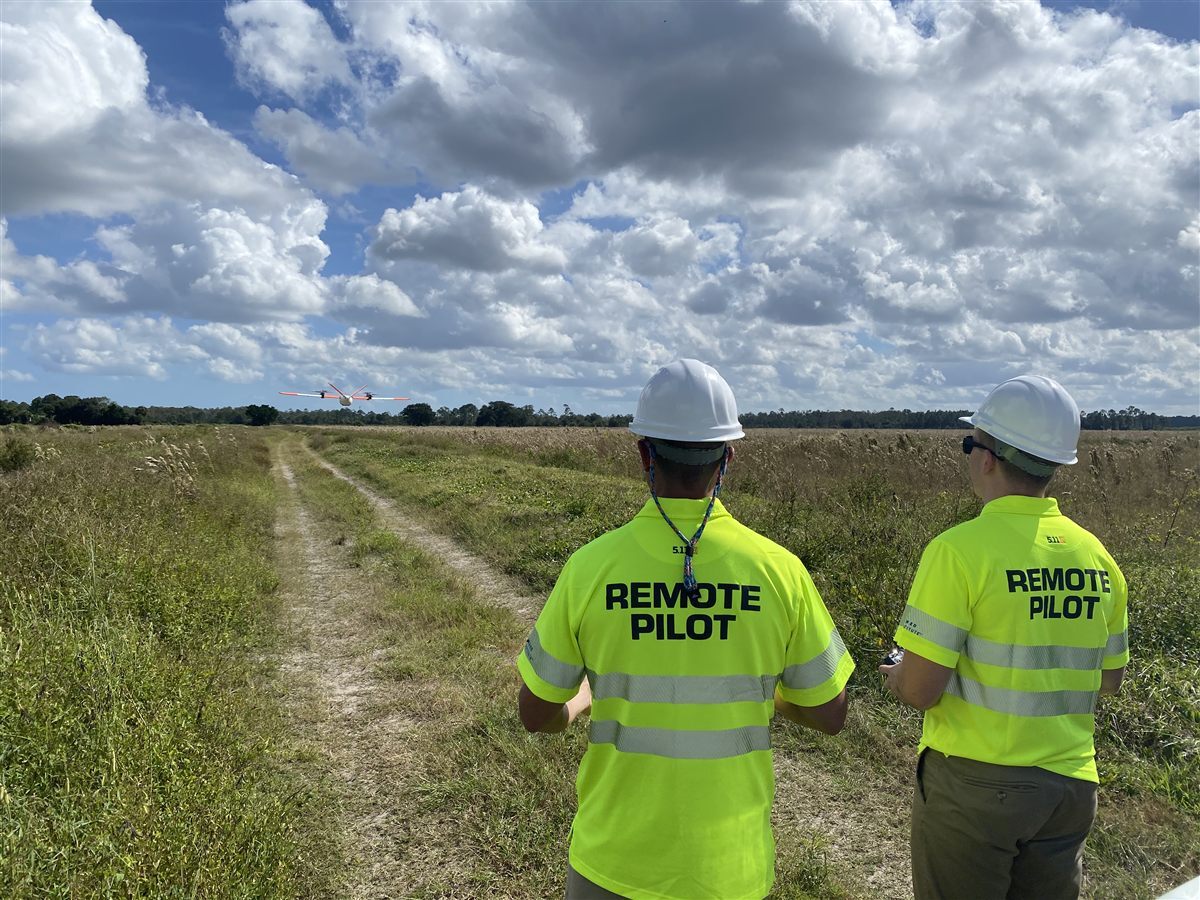
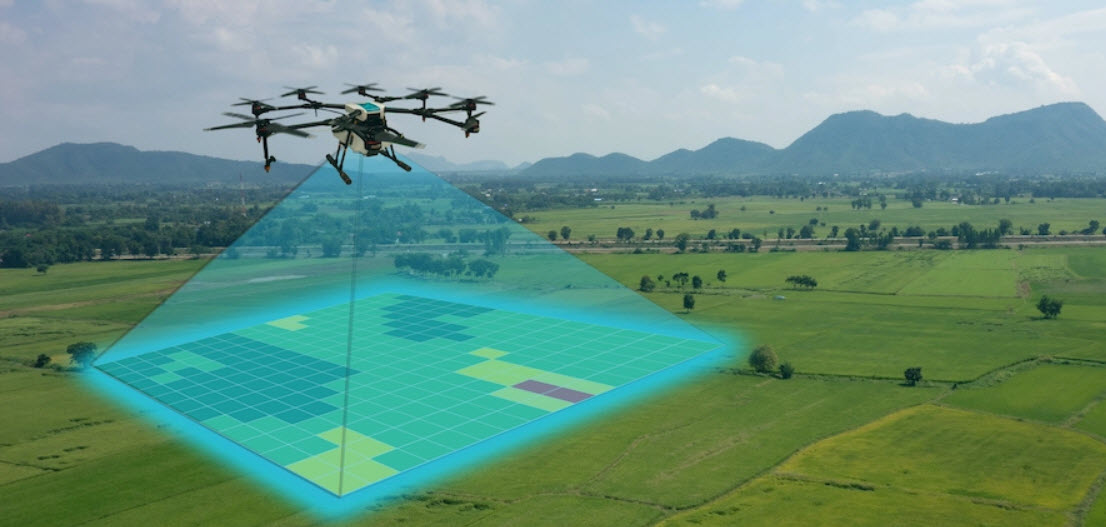
Mapped to Real Workforce Pathways
The Safety Level 1 Certification supports entry-level workforce preparation and pathway progression into occupations utilizing unmanned systems, robotics, automation, geospatial technologies, remote sensing, and integrated electronic systems.
Primary Occupational Linkages
Electro-Mechanical and Mechatronics Technologists and Technicians
Operation, testing, maintenance, and support of unmanned, automated, and electromechanical systems.
Robotics Technicians
Robotic vehicles, autonomy, sensors, feedback systems, and control architectures.
Remote Sensing Scientists and Technologists
Aerial data collection, remote sensing systems, sensor payloads, and imagery acquisition.
Surveying and Mapping Technicians
Geospatial data collection, mapping support, aerial imagery, and spatial information systems.
Secondary Occupational Linkages
Note: Occupational alignments are based upon the U.S. Department of Labor Standard Occupational Classification (SOC) system and O*NET OnLine occupational framework. The Safety Level 1 Certification is designed to provide foundational technical competencies that support progression into these and related workforce pathways.
What Learners Will Be Able to Do
Upon successful completion of the Safety Level 1 Certification program, learners will be able to demonstrate foundational competencies in the following areas:
RPAS Foundations & Technical Communication
- checkDefine and apply specialized RPAS terminology and classifications.
- checkInterpret technical information related to unmanned aircraft systems and operations.
- checkDescribe regulatory and operational considerations affecting RPAS deployment.
Aircraft Systems & Aerodynamics
- checkExplain the interaction between aircraft systems and subsystems.
- checkDescribe how lift, drag, thrust, weight, airframe design, and environmental factors influence aircraft performance.
- checkIdentify the components and functions of remotely piloted aircraft platforms.
Robotics, Guidance, Navigation & Control
- checkExplain common guidance, navigation, and control (GNC) methods used in airborne robotic vehicles.
- checkDescribe levels of autonomy, control logic, sensors, controllers, and feedback systems.
- checkUnderstand the role of human-machine interaction in autonomous operations.
Communications Systems & Data Links
- checkDescribe the function of RPAS data links and communications architectures.
- checkExplain the operation of antennas, receivers, telemetry systems, and radio communications.
- checkIdentify factors that influence communication reliability, security, and operational safety.
Ground Control Stations & Human-Machine Interfaces
- checkIdentify the functions and components of RPAS control stations.
- checkDescribe the interaction between hardware, software, data processing, storage, and human operators.
- checkExplain the role of human-machine interfaces in operational decision making.
Payloads & Remote Sensing Technologies
- checkDifferentiate between cameras, sensors, communications payloads, and specialized mission equipment.
- checkExplain the principles of optical, multispectral, hyperspectral, synthetic aperture radar (SAR), and LiDAR imaging systems.
- checkDescribe the use of remote sensing technologies in agriculture, infrastructure inspection, environmental monitoring, mapping, and public safety operations.
Systems Integration & Data Architecture
- checkExplain how aircraft, sensors, control stations, communications systems, and data processing functions interact within an integrated RPAS ecosystem.
- checkApply systems-thinking principles to understand technical workflows supporting modern autonomous operations.
Five Integrated Instructional Units
The Safety Level 1 curriculum consists of five integrated instructional units designed to build foundational knowledge of RPAS technologies and operations.
Foundations
RPAS terminology, classifications, applications, and regulatory frameworks.
Remote Vehicles
Aircraft design, robotics concepts, autonomy, aerodynamics, and vehicle performance.
Data Links
Communications systems, telemetry, modulation, antennas, receivers, and operational reliability.
Control Stations
Ground control systems, hardware, software, data processing, storage, and human-machine interfaces.
Payloads & Remote Sensing
Sensors, imaging systems, electromagnetic radiation, multispectral, hyperspectral, SAR, and LiDAR technologies.
Certification Competency Blueprint
The Safety Level 1 Certification examination validates learner competency across the following technical domains:
Assessment & Competency Validation
The Safety Level 1 Certification utilizes a layered assessment methodology to validate learner competency.
Formative Assessment
- checkModule-level progress checks.
- checkInstructor and learner feedback opportunities.
- checkMeasurement of incremental mastery of learning objectives.
Summative Assessment
- checkComprehensive cumulative certification examination.
- checkThird-party proctored testing environment.
- checkStandardized scoring process.
- checkIdentity verification and secure testing procedures.
- checkObjective measurement of competency attainment across all certification domains.
Successful candidates demonstrate proficiency in the technical knowledge areas necessary to advance into additional RPAS training and workforce-aligned technology pathways.
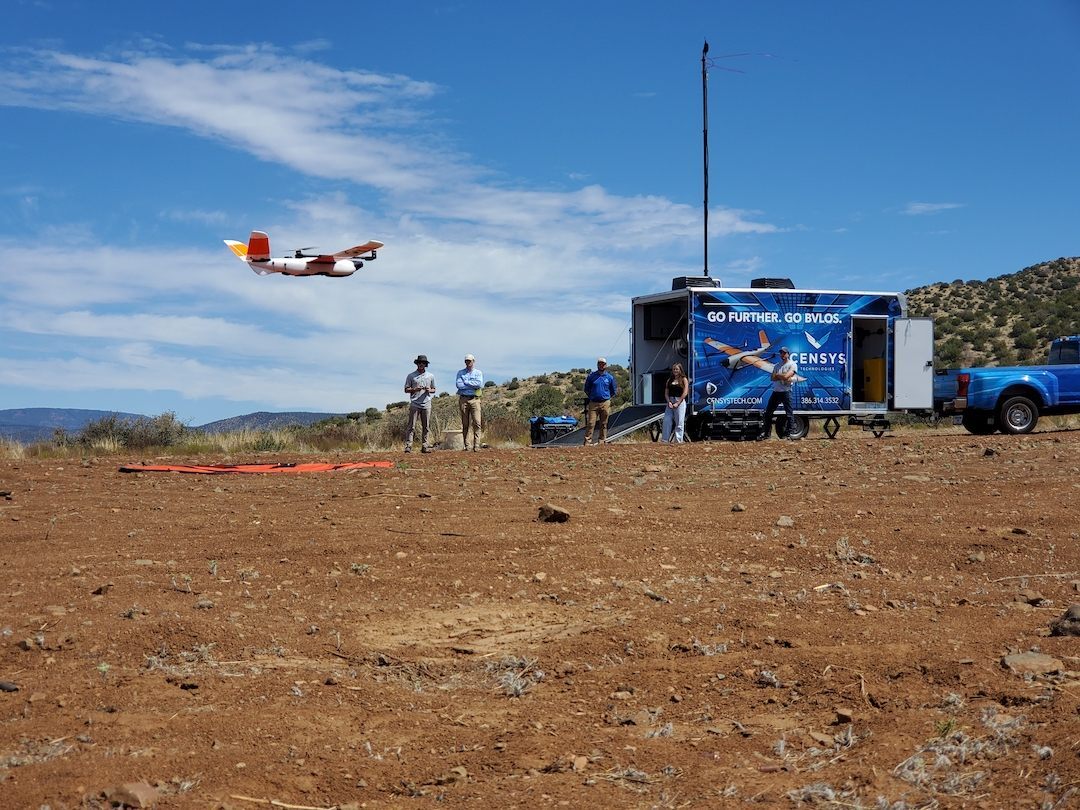
Preparing Learners for Advanced Training and Career Success
The Safety Level 1 Certification serves as a foundational credential supporting continued education and workforce pathway progression in uncrewed aviation, robotics, mechatronics, geospatial technologies, remote sensing, and related technical fields.
By establishing a common understanding of RPAS systems, communications, sensors, and data collection technologies, the credential helps learners develop the technical literacy, systems-thinking, and interdisciplinary problem-solving skills increasingly sought by employers utilizing autonomous and remotely operated technologies.
Transparency Into the Credential
The following resources are publicly available to provide transparency into the Safety Level 1 certification’s occupational purpose, competency standards, assessment methodology, and workforce alignment. These materials support educational institutions, employers, students, and workforce development agencies seeking to understand the credential’s industry relevance and technical standards.
Safety Level 1 Candidate Handbook & Credential Guide
Comprehensive overview of the credential, occupational purpose, learning outcomes, assessment model, and candidate policies.
download Download PDFOccupational Alignment & Workforce Pathways Guide
Detailed SOC/O*NET occupational crosswalk and workforce alignment narrative.
download Download PDFCertification Exam Blueprint
Competency domains, assessment weighting, and examination structure.
download Download PDFCourse Curriculum & Learning Outcomes
Official curriculum outline and measurable learning objectives.
download Download PDFAssessment & Proctoring Standards
Certification security, proctoring procedures, identity verification, and scoring methodology.
download Download PDFCandidate Registration & Accommodations Policy
Registration procedures, testing policies, and accommodations request process.
download Download PDF rocket_launch Get Started
Ready to Build Your Foundation in Uncrewed Aviation?
Whether preparing for advanced aviation education, exploring careers in robotics and autonomous systems, or developing workforce-ready technical skills, the USI Safety Level 1 Certification provides a strong foundation for the next generation of emerging technology professionals.