
Advanced Safety Level 2™ Certification
The USI Advanced Safety Level 2 (AL2) Certification is an industry-developed credential that validates foundational knowledge of Safety Management Systems (SMS), operational risk management, organizational safety culture, and continuous improvement practices used throughout aviation and other technology-enabled industries. The certification introduces learners to the principles and processes used by organizations to proactively identify hazards, assess and mitigate operational risk, improve organizational performance, investigate incidents, and build resilient safety cultures.
Designed for secondary, postsecondary, workforce, and industry learners, the AL2 certification develops the analytical thinking, systems-thinking, and safety leadership competencies necessary to pursue advanced training and careers in aviation operations, occupational safety, compliance, quality assurance, aerospace technology, public safety, infrastructure operations, and organizational risk management.
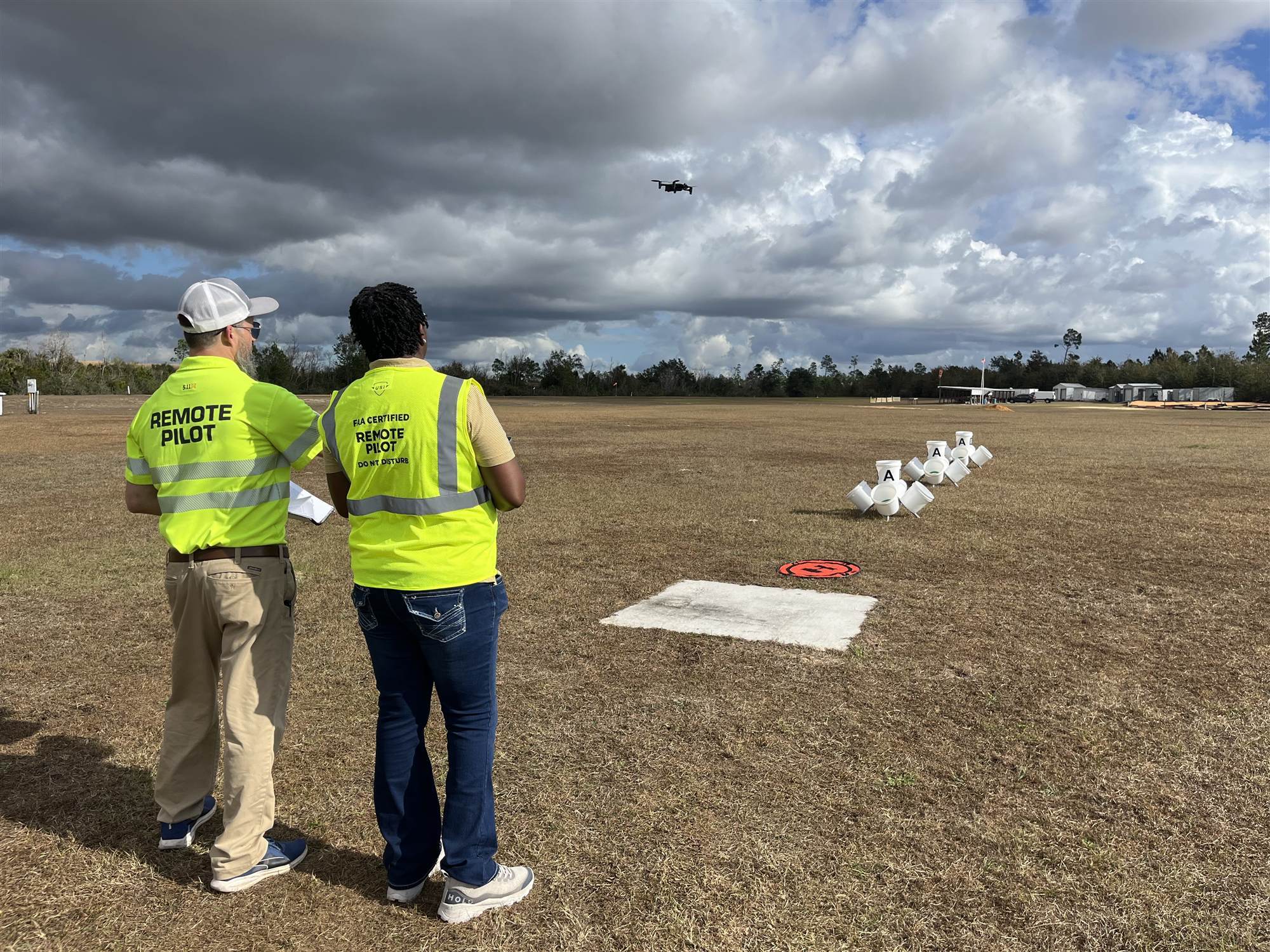
Validated Knowledge for Safety-Critical Careers
The Advanced Safety Level 2 Certification validates foundational technical knowledge and applied competencies required to understand, support, and participate in Safety Management Systems (SMS) and operational risk management processes used throughout aviation and other safety-critical industries.
The credential prepares learners to:
Safety Frameworks That Power Modern Operations
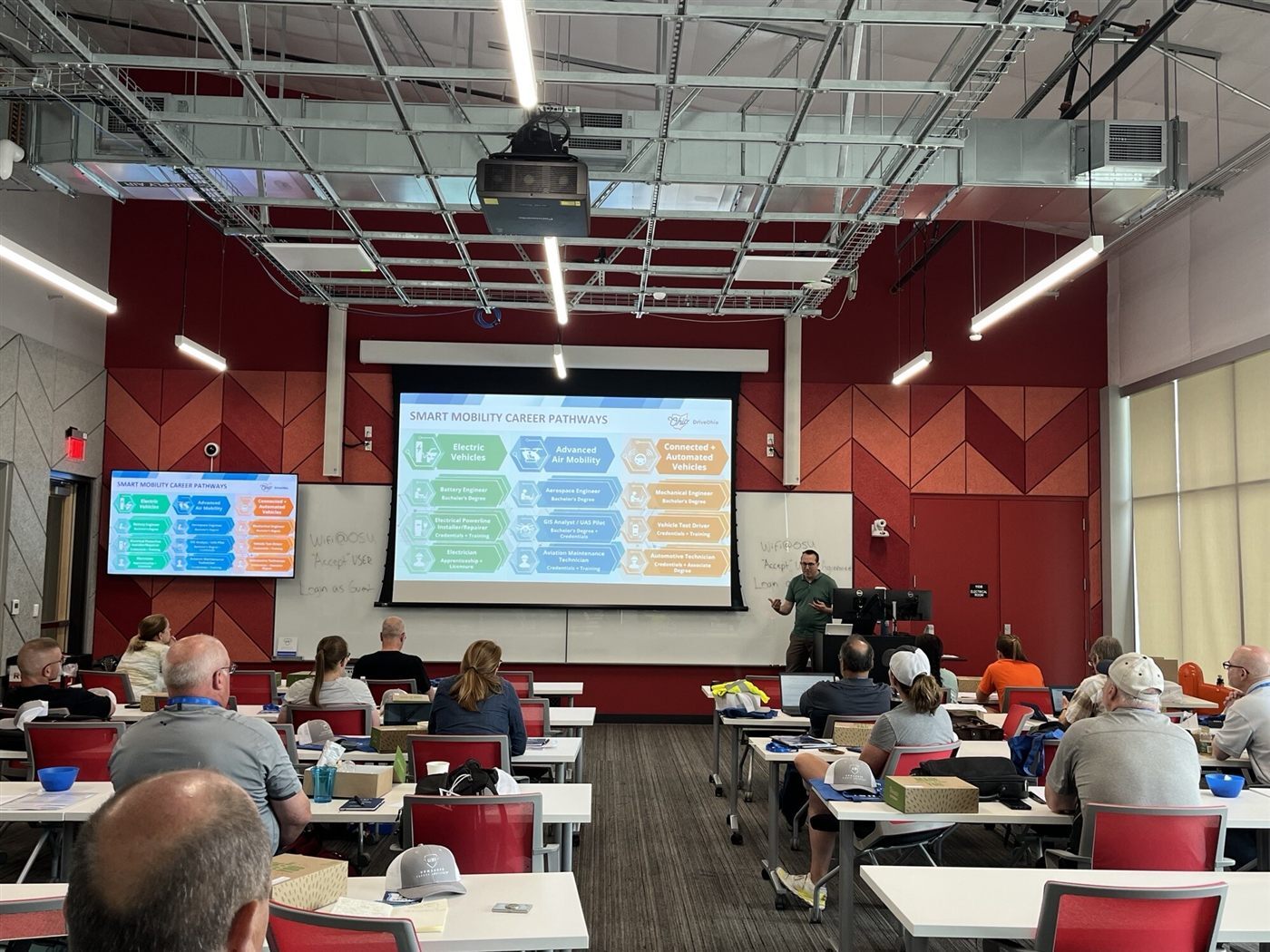
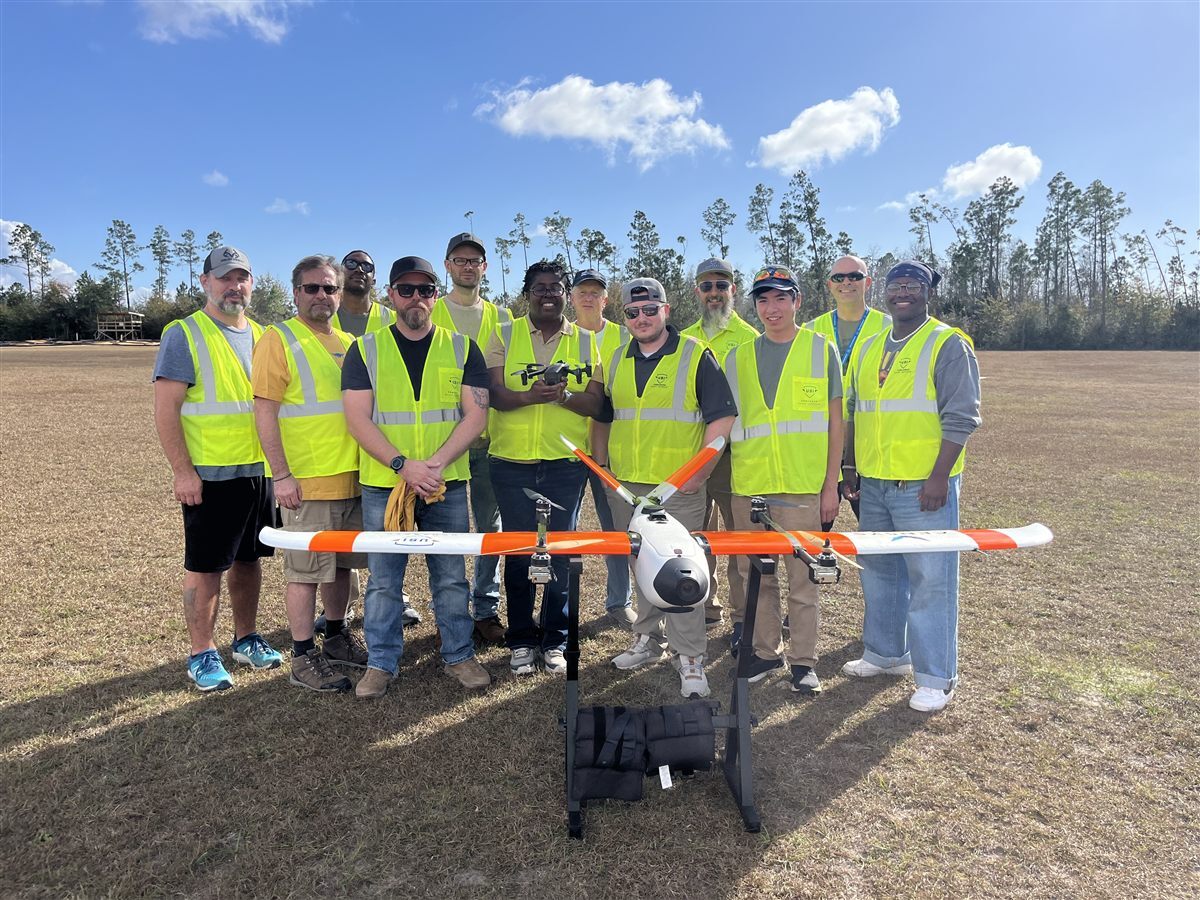
Safety Management Systems (SMS), operational risk management, and organizational safety processes are increasingly utilized across a broad range of industries where technology, transportation, automation, and complex operations intersect. The Advanced Safety Level 2 Certification introduces learners to the safety principles and operational frameworks that support these modern industries.
Mapped to Real Workforce Pathways
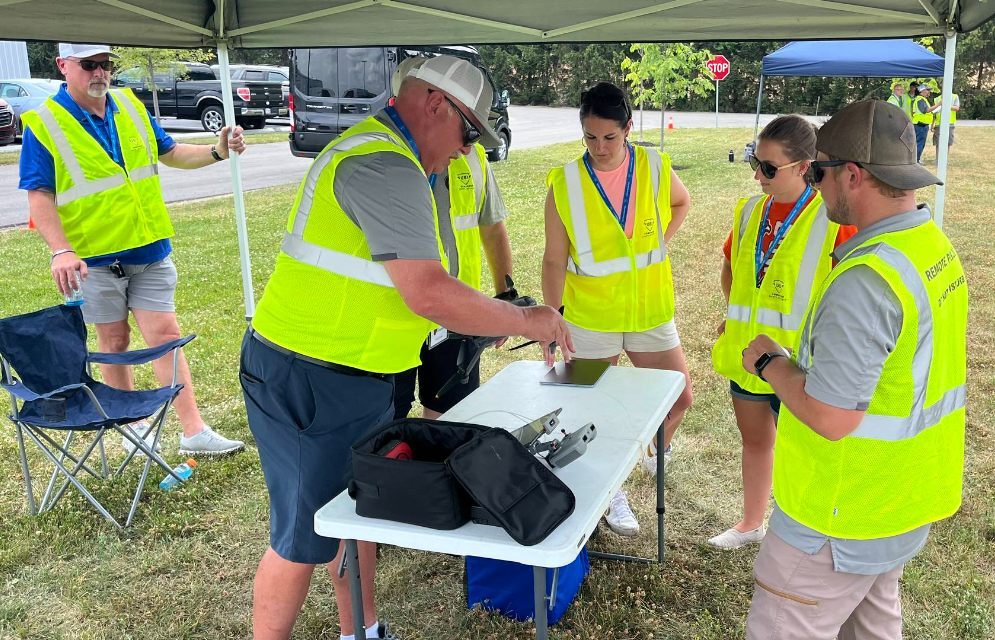
The Advanced Safety Level 2 Certification supports entry-level workforce preparation and pathway progression into occupations utilizing safety management systems, risk management methodologies, operational compliance processes, quality assurance systems, and organizational safety practices.
Primary Occupational Linkages
Occupational Health and Safety Specialists
Hazard identification, risk assessment, safety audits, incident investigations, and implementation of workplace safety programs.
Compliance Officers
Development, implementation, monitoring, and evaluation of organizational policies, standards, and regulatory compliance activities.
Occupational Health and Safety Technicians
Collection and analysis of safety information, workplace inspections, operational monitoring, and support of safety investigations.
Aerospace Engineering and Operations Technologists and Technicians
Application of aviation safety principles, operational risk management, and safety management systems within aerospace and RPAS operations.
Transportation, Storage, and Distribution Managers
Oversight of operational safety, regulatory compliance, organizational risk management, and transportation safety systems.
Secondary Occupational Linkages
Note: Occupational alignments are based upon the U.S. Department of Labor Standard Occupational Classification (SOC) system and O*NET OnLine occupational framework. The Advanced Safety Level 2 Certification is designed to provide foundational competencies in safety management, operational governance, and organizational risk management that support progression into these and related workforce pathways.
What Learners Will Be Able to Do
Upon successful completion of the Advanced Safety Level 2 Certification program, learners will be able to demonstrate foundational competencies in the following areas:
Safety Management Systems (SMS)
- checkExplain the evolution and purpose of Safety Management Systems (SMS) within aviation and safety-critical industries.
- checkDescribe the four core components of an SMS: Safety Policy, Safety Risk Management, Safety Assurance, and Safety Promotion.
- checkExplain how systems thinking and standardized operational processes contribute to organizational safety performance.
Safety Policy & Organizational Governance
- checkDifferentiate between safety policies, procedures, and operational standards.
- checkDescribe the process for establishing and implementing effective organizational safety policies.
- checkExplain the importance of safety leadership, accountability, and the development of a positive “just culture.”
Hazard Identification & Risk Management
- checkIdentify operational hazards using structured safety management methodologies.
- checkApply accepted risk assessment techniques to evaluate operational threats and vulnerabilities.
- checkDescribe the implementation of physical, procedural, and administrative risk mitigation controls.
- checkExplain the purpose and application of tools such as Flight Risk Assessment Tools (FRAT), Failure Modes and Effects Analysis (FMEA), and Bow Tie Analysis.
Safety Assurance & Performance Monitoring
- checkExplain how organizations collect, monitor, and analyze safety data to improve operational performance.
- checkDescribe the role of safety audits, inspections, and compliance monitoring activities.
- checkExplain how proactive and reactive safety data sources contribute to organizational learning and continuous improvement.
Incident Investigation & Root Cause Analysis
- checkDescribe the principles of incident investigation and organizational learning.
- checkApply structured root cause analysis methods including the 5 Why Process, Ishikawa (Fishbone) Diagrams, and systems-based causal analysis models.
- checkExplain how investigation findings support corrective actions and future risk reduction.
Human Factors & Organizational Safety Culture
- checkDescribe how human factors, organizational influences, and workplace culture affect operational safety.
- checkExplain the principles of a “just culture” and the importance of open reporting environments.
- checkAnalyze the relationship between communication, leadership, decision making, and safety performance.
Total Quality Management (TQM) & Continuous Improvement
- checkExplain the foundational principles of Total Quality Management (TQM).
- checkDescribe the application of the Plan-Do-Check-Act (PDCA) model to organizational improvement initiatives.
- checkExplain how Management of Change (MOC) processes support safe organizational growth and adaptation.
Safety Promotion & Communication
- checkIdentify the elements necessary to develop effective safety training and education programs.
- checkExplain the role of communication strategies in promoting organizational safety awareness.
- checkDescribe how training needs assessments and targeted educational initiatives contribute to positive safety culture.
Operational Decision Making & Systems Thinking
- checkApply systems-thinking principles to evaluate operational scenarios and organizational risk.
- checkAnalyze practical safety management scenarios from the perspective of front-line operators and decision makers.
- checkUnderstand the interaction between technology, people, organizational processes, and environmental factors in creating safe and effective operations.
Five Integrated Instructional Units
The Advanced Safety Level 2 curriculum consists of five integrated instructional units designed to build foundational knowledge of safety management principles and their practical application within RPAS and other operational environments.
Safety Management
Evolution of safety thinking, accident causation models, systems thinking, and the components of a Safety Management System (SMS).
Safety Policy
Development and implementation of safety policies, organizational responsibilities, just culture principles, Emergency Response Plans (ERP), and Safety Management Manuals (SMM).
Safety Risk Management
Hazard identification, risk assessment, risk mitigation strategies, Flight Risk Assessment Tools (FRAT), FMEA, Bow Tie Analysis, and operational risk controls.
Safety Assurance
Safety performance monitoring, audits, incident investigation, root cause analysis, Management of Change (MOC), and continuous improvement through the PDCA cycle.
Safety Promotion
Safety communication, safety education, training needs assessments, organizational learning, and strategies for developing and sustaining a positive safety culture.
Certification Competency Blueprint
The Advanced Safety Level 2 Certification examination validates learner competency across the following technical domains:
Assessment & Competency Validation
The Advanced Safety Level 2 Certification utilizes a layered assessment methodology to validate learner competency and the practical application of safety management principles.
Formative Assessment
- checkModule-level progress checks.
- checkInstructor and learner feedback opportunities.
- checkMeasurement of incremental mastery of learning objectives.
- checkPractical scenario discussions and application exercises.
Summative Assessment
- checkComprehensive cumulative certification examination.
- checkThird-party proctored testing environment.
- checkStandardized scoring process.
- checkIdentity verification and secure testing procedures.
- checkObjective measurement of competency attainment across all certification domains.
Successful candidates demonstrate proficiency in the knowledge and practical application of Safety Management Systems, risk management methodologies, safety assurance practices, and organizational safety principles necessary to advance into workforce-aligned aviation, safety, and operational leadership pathways.
Preparing Learners for Advanced Training and Career Success
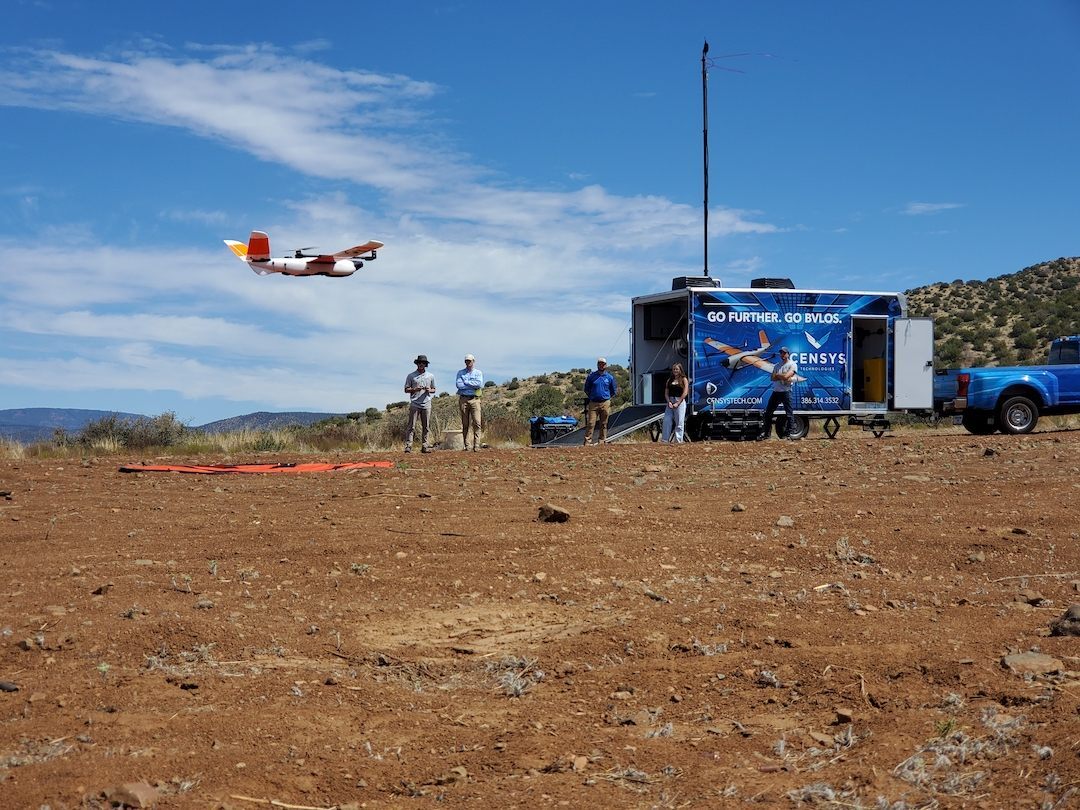
The Advanced Safety Level 2 Certification serves as a foundational credential supporting continued education and workforce pathway progression in aviation safety, occupational safety and health, compliance management, quality assurance, organizational risk management, aerospace operations, and public safety.
By establishing a common understanding of Safety Management Systems, hazard identification, operational risk management, organizational learning, and continuous improvement methodologies, the credential helps learners develop the analytical thinking, leadership, communication, and systems-management competencies increasingly sought by employers operating in safety-critical and technology-enabled industries.
Transparency Into the Credential
The following resources are publicly available to provide transparency into the Advanced Safety Level 2 certification’s occupational purpose, competency standards, assessment methodology, and workforce alignment. These materials support educational institutions, employers, students, and workforce development agencies seeking to understand the credential’s industry relevance and technical standards.
Advanced Safety Level 2 Candidate Handbook & Credential Guide
Comprehensive overview of the credential, occupational purpose, learning outcomes, assessment model, and candidate policies.
download Download PDFOccupational Alignment & Workforce Pathways Guide
Detailed SOC/O*NET occupational crosswalk and workforce alignment narrative.
download Download PDFCertification Exam Blueprint
Competency domains, assessment weighting, and examination structure.
download Download PDFCourse Curriculum & Learning Outcomes
Official curriculum outline and measurable learning objectives.
download Download PDFAssessment & Proctoring Standards
Certification security, proctoring procedures, identity verification, and scoring methodology.
download Download PDFCandidate Registration & Accommodations Policy
Registration procedures, testing policies, and accommodations request process.
download Download PDF rocket_launch Get Started
Ready to Build Your Foundation in Aviation Safety and Operational Risk Management?
Whether preparing for advanced aviation education, developing safety leadership skills, or pursuing careers in occupational safety, compliance, aerospace operations, and organizational risk management, the USI Advanced Safety Level 2 Certification provides a strong foundation for the next generation of safety-focused professionals.
Occupational Linkage Statement: Occupational linkage information is maintained by the Unmanned Safety Institute (USI) to document the alignment between Advanced Safety Level 2 competency standards and nationally recognized workforce frameworks, including the U.S. Department of Labor Standard Occupational Classification (SOC) system and O*NET OnLine occupational database. Occupational examples are representative and are intended to illustrate the broad range of industries and workforce pathways supported by the credential.